Empowering Underprivileged Children & Girls in Uganda
Education, dignity, and warmth — breaking barriers through menstrual health, vocational skills, and community-led solutions.
Support our mission5K+
Pads distributed120+
Girls re-enrolled80
Blankets givenOur Story
Founded in 2021 by Sseguya Ivan, FSSIBU (For Sustainable Solutions in Bridging Underprivileged) is a registered community-driven nonprofit based in Mukono District, Mwanyagiri Village. We believe every child deserves to learn, grow, and live with dignity — regardless of economic background.
P.O. Box 6294, Kampala (U) · Mwanyagiri, Mukono
Our Mission
To equip rural and vulnerable individuals with relevant services, knowledge, and skills for the sustained improvement of their lives. We tackle period poverty, champion child rights, and provide second-chance vocational training.
Education & Child Rights
Removing barriers: scholastic materials, advocacy against child labor/early marriage, community dialogues.
Menstrual Health & Hygiene
Free reusable/disposable pads, workshops to break stigma — reducing absenteeism and restoring dignity.
Second Chance & Vocational Training
Tailoring, hairdressing, farming for dropout girls. Startup kits to launch micro-enterprises. Over 80% now earn income.
Girl Child Advocacy
Parent forums, mentoring sessions, work with local leaders to invest in daughters’ futures.
Under our relief programs, we prioritize the unique needs of children, ensuring they receive timely, dignified, and age-appropriate support. Distributions are carefully planned to reach the most vulnerable, including displaced children, those in remote areas, and kids with disabilities.
Each relief package goes beyond basic food and water—it includes child‑friendly nutrition (ready‑to‑use supplements, fortified cereals), hygiene kits (soap, diapers, sanitary pads for older girls), and educational supplies to maintain a sense of normalcy. Where possible, we add comfort items like a blanket, toy, or coloring book to reduce trauma.
To protect children’s safety and dignity, distributions happen at child‑friendly spaces or via home visits—never in chaotic queues. Our trained staff and volunteers register each child, check for signs of malnutrition or distress, and refer urgent cases to health or protection services.
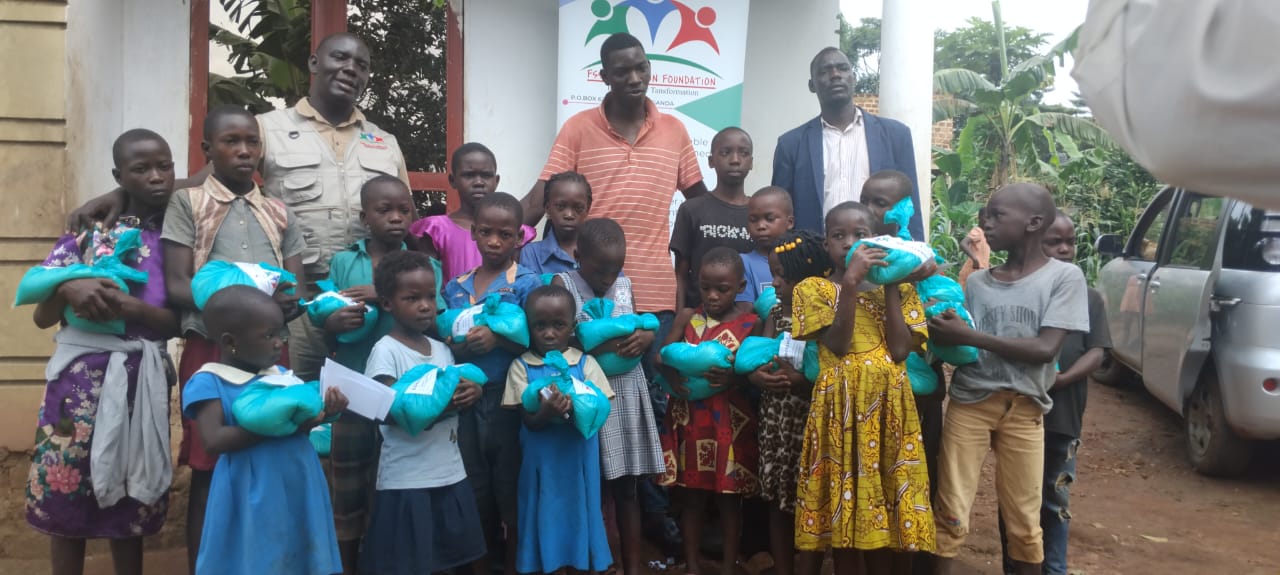
Engaging mothers is a powerful strategy to end child marriage, as they are often primary decision-makers for their daughters. In many communities, a mother’s own experience of early marriage can normalize the practice. Shifting this mindset begins with safe, mother-led discussion groups where women share struggles and aspirations for their girls.
These groups provide accurate information on the legal and health risks of child marriage—such as pregnancy complications and dropout from education—while celebrating alternatives like keeping girls in school. Mothers learn to recognize early warning signs, including engagement discussions or withdrawal from classes, and develop action plans for intervention.
Crucially, the approach empowers mothers as community advocates. Participating women receive micro-grants or vocational training, directly linking a daughter’s education to family prosperity. When a mother gains income or leadership skills, she gains confidence to resist pressure from husbands, in-laws, or traditional leaders.
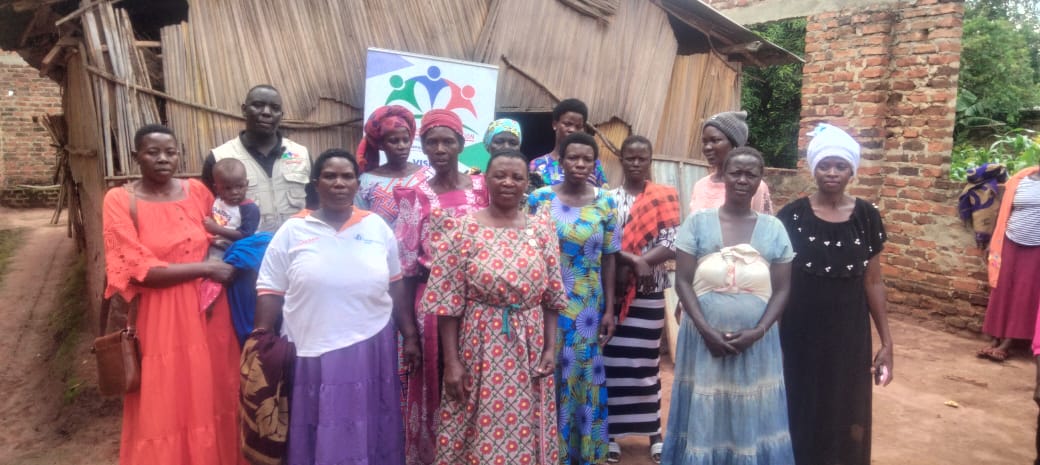
Menstrual poverty remains a significant challenge affecting many school girls in vulnerable communities. Due to a lack of access to sanitary pads, clean water, and proper hygiene facilities, many girls struggle to manage their menstrual periods with dignity. As a result, some miss several days of school each month, leading to poor academic performance, reduced confidence, and an increased risk of dropping out altogether.
For many families living in poverty, purchasing menstrual products is often considered a luxury they cannot afford. This forces girls to use unsafe alternatives that may expose them to infections, discomfort, and embarrassment. The stigma surrounding menstruation further isolates them and limits their participation in school activities.
Addressing menstrual poverty is essential to ensuring that every girl has an equal opportunity to learn, thrive, and achieve her dreams. By providing menstrual hygiene support, we can help girls stay in school, protect their health, and build a brighter future.
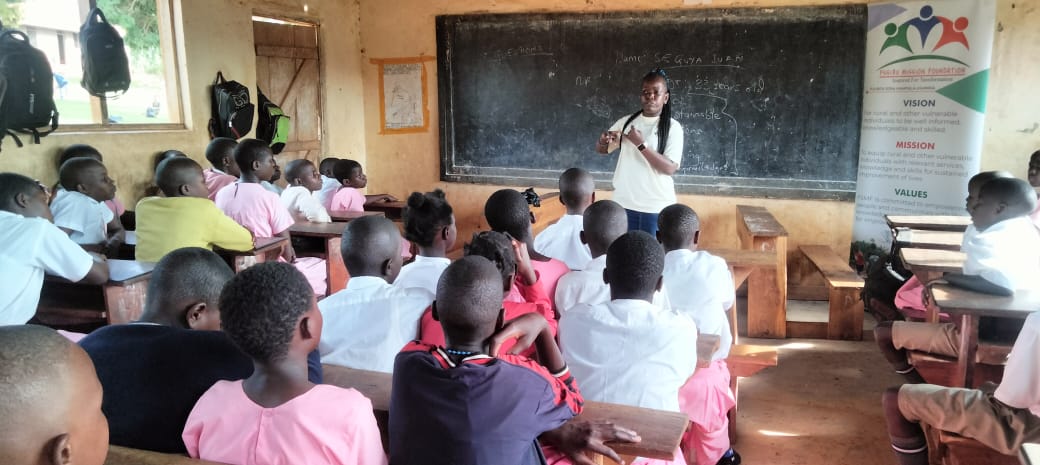
Keeping Girls in School: How Menstrual Pads Make a Difference
Before our support, girls missed 3–5 days of school each month. Our free pad distribution & menstrual education has cut absenteeism by over 40% in partner schools.
Drop in absenteeism
Girls reached monthly
Partner schools
"Before, empty desks each week. Now, the girls are here. They are focused."
— Headteacher
Our Blanket Initiative
To date, we have provided 80 children with warm blankets — each one a barrier against sickness and a reminder that they are not forgotten. Goal: 200 children this year.
Engaging Communities, Transforming Futures
Through home visits and dialogues, we have prevented two dozen child marriages in the last year alone. Girl-child enrollment has risen, dropout rates have fallen.
Engaging directly with beneficiaries has shifted our role from outside observers to trusted partners. Mothers who once kept girls home now serve as peer monitors.
— Fssibu Mission Foundation Team
Every pad, every blanket, every girl in school — thanks to you.
Our Vision for the Future
We envision a Uganda where no girl misses school because of her period, and every young person has the skills to build a dignified life.
Second Chance: Vocational Success
Over 80% of graduates now earn independent income and support their families through tailoring, hairdressing, and modern farming.
Learn moreCommunity Outreach & Empowerment
Strengthening communities from the ground up
We foster inclusion and self-reliance through grassroots engagement — helping communities identify their own needs and act on them.
Youth Mentorship & Leadership Development
Equipping the next generation to lead change
We invest in young people through structured mentorship, coaching, and leadership training that prepares them to shape their own futures.
Education Support & Skills Training
Opening the door to quality education
We improve access to schooling and practical training so students can stay enrolled, keep pace, and build skills for life beyond the classroom.
Women & Girls' Empowerment Initiatives
Safeguarding rights, health, and equality
We support women and girls with the health resources, economic tools, and leadership opportunities they need to thrive on their own terms.
Health Awareness & Support Programs
Advancing prevention and well-being
We deliver health education and support services, including HIV/AIDS prevention and mental health awareness, so communities can protect themselves and each other.
Support for Vulnerable Families & Disadvantaged Groups
Care and protection for those who need it most
We provide direct support to orphaned and vulnerable children, the elderly, people with disabilities, and low-income households across our communities.
Community Development Projects
Building infrastructure for resilient futures
We partner directly with communities to strengthen the institutions and infrastructure that sustainable livelihoods depend on.
Vocational Training & Entrepreneurship Support
Building tools for financial independence
We equip youth and women with vocational skills, financial literacy, and business support so they can generate steady income on their own terms.
Food Security & Basic Needs Support
Addressing hunger, sustainably
We combine emergency relief with agricultural initiatives so families can meet immediate needs while building longer-term food security.
Environmental Conservation & Sanitation Campaigns
A cleaner, healthier environment for all
We run hands-on campaigns for tree planting, waste management, clean water, and hygiene — protecting the environment communities depend on.
Whether you give time, expertise, or a donation, you become part of what holds these communities up. Reach out and tell us where you fit — as a volunteer, a partner, or a donor.
© F SSIBU Mission Foundation — Building communities from the ground up.
How You Can Support
Your support — funding, volunteering, or sharing our mission — helps us create lasting solutions.
P.O. Box 6294, Kampala (U) | Mukono–Mwanyagiri Village